

Brand visibility in New Zealand is growing in both the streets and online.
One day it’s bright billboards along Wellington’s main roads, the next it’s Instagram ads from a local clothing shop. Both get seen. Both matter.
Print vs digital design each work in different ways. They’re more than just being two ways to interact with customers.
Once you know how each fits into your marketing strategy, you can choose what works best for stronger branding. Here’s all you need to know as a New Zealand business in 2025.
What is Print Design?
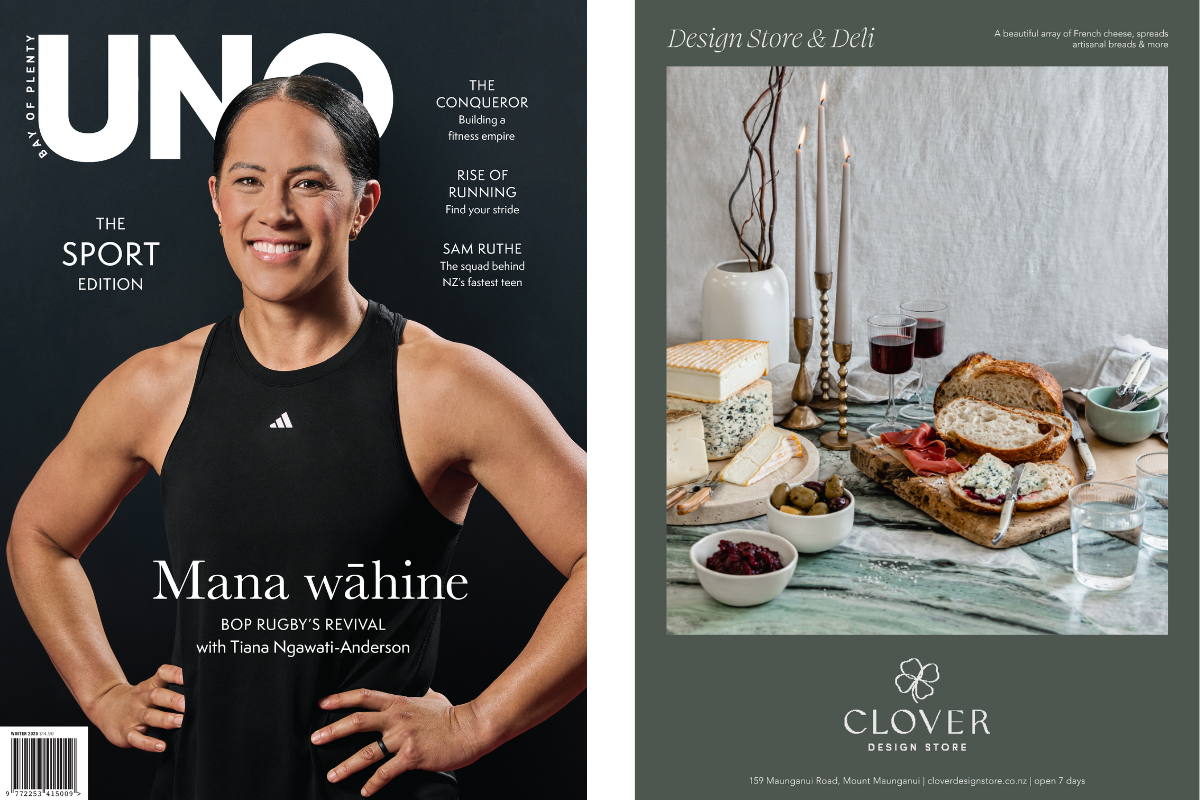
Print design means marketing you can touch. Flyers, brochures, business cards, packaging, posters or even old-timey catalogues. These show your brand in the real world and stay around longer than a screen ad.
Examples Of Print Design In NZ
- Trade show banners at Auckland events.
- Branded coffee cups in Christchurch cafés.
- Festival programmes for Wellington’s summer events.
Why Print Design Works Well
You can hold it, so people keep it longer. Plus it sticks around- a brochure on a desk can stay for weeks. It also reaches offline spaces. Print Design is perfect for markets, events, and direct mail.
When done right, print media design strengthens your physical branding and keeps your name in front of people even when they are not online. From local brochure designs in NZ to creative print marketing campaigns, it’s a nice choice for Kiwi businesses wanting a lasting presence
What is Digital Design?
Digital design lives on screens: websites, social posts, apps. It’s made to work smoothly on any screen and grab attention fast.
Examples Of Digital Design in NZ
- Air New Zealand’s website uses clean layouts and vibrant blues.
- Trade Me’s social ads feature bold graphics that pop on your feed.
- Online stores like Allbirds NZ showcase beautiful product shots and sleek design.
Why Digital Design Works Well
It scales easily across devices, so your visuals look great everywhere. Plus it tracks performance with analytics. You can see what’s working. Updates also happen fast and live, meaning changes go out instantly.
Digital design builds digital branding. It uses website, social media and even logo graphic designs. All these digital marketing assets boost businesses online.
Key Differences Between Print and Digital Design
| Criteria | Print Design | Digital Design |
| Medium | Paper, packaging | Screens, devices |
| Resolution | 300+ DPI | 72-144 DPI |
| Color Mode | CMYK | RGB |
| Interaction | Static | Clickable, animated |
| Cost | Fixed (per unit) | Scalable (per campaign) |
Print feels real and hands-on, it’s great for packaging and flyers. It does have limits with colours and sharpness.
You can work with local print shops in Auckland or Christchurch, even any other place in NZ to make it look right.
Digital design doesn’t have any notable downsides. It works on screens and adds cool clickable or moving parts to grab attention. Most Kiwi digital agencies focus on layouts that fit all kinds of devices.
Pros and Cons: Print vs Digital
Print and Digital have their own time to shine in NZ.
For some audiences, a printed flyer still hits the mark. For others, a quick post or ad online works better.
Kiwi SMEs riding the NZ eCommerce boom usually mix both.
Print Design Pros
- Shines at Local Events and Expos: Handing someone a flyer or seeing your banner at a stand gets noticed.
- Trusted in Rural Areas: Baby boomers still check their NZ postal mail marketing and take it seriously.
- Keeps It Local: Printing through shops in Auckland or your own town means supporting nearby businesses.
Digital Design Pros
- Easy to Reach City Crowds: In Auckland and Wellington, younger people are almost always online.
- Keeps Up With Fast Business Changes: The NZ eCommerce boom moves quickly, and digital can move with it.
- Covers the Whole Country for Less: One post or ad can reach from Northland to Southland without extra printing costs.
When to Use Print, Digital, or Both?
Some things just work better on paper. Others live online. Most of the time, using both together gets your message out there and keeps your brand looking solid everywhere.
Print-Only
If a small Kiwi business in Dunedin made handmade chocolates, they’d want packaging that looks great. It’d also need to feel nice in the hands, and stand out on the shelf. That gives things a special and authentic touch.
Digital-Only
Meanwhile, a tech startup in Wellington can build its whole brand online, keeping things tight across LinkedIn, Instagram, and app stores. Good graphic design is hard to come by, but still gets more profits than it costs if done well.
Both
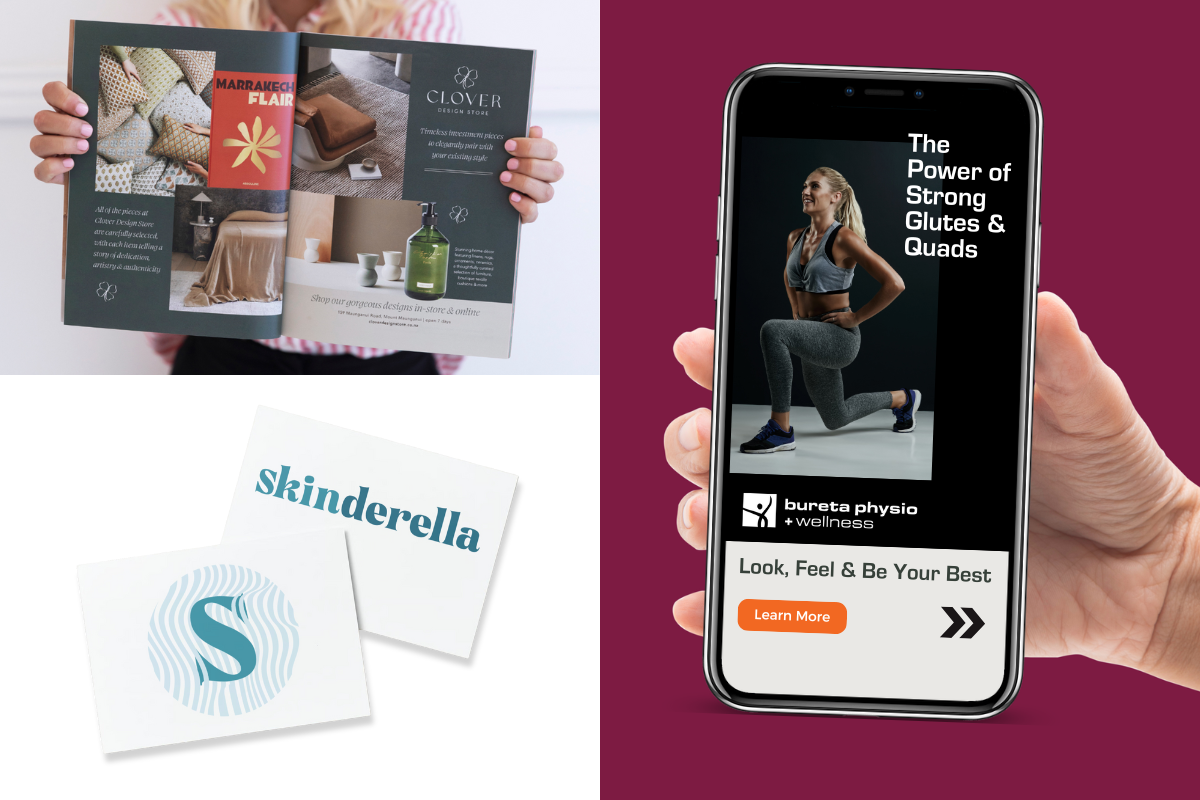
You can do event marketing in NZ with both flyers and Facebook ads. Let’s talk about some examples.
- Situation 1: A Christchurch craft food festival runs Facebook ads to grab the younger crowd and hands out colourful flyers in local cafés. Same look, everywhere.
- Situation 2: A Tauranga surf shop pushes a summer sale with posters in-store, boosted Insta posts, and emails. This covers the street and everyone’s inbox.
- Situation 3: An Auckland theatre company promotes a new play with street posters and matching digital banners on event websites. This keeps the branding tight across the board.
Using print and digital together gets your message seen more, makes your brand stick, and means people recognise you no matter where they find you.
Cost Comparison in New Zealand
Costs depend on what you need and how long your message lasts. Print needs upfront spend, while digital costs grow with your project and campaigns.
Print Design Services (Including Printing)
Design fees range from low to moderate. Printing a medium-sized batch of rack cards costs about moderate plus GST. Bigger orders or premium materials add to the price. Local print shops often suggest ways to save by adjusting paper or quantity. Printing prices in NZ can vary, so it’s worth checking around.
Digital Design Projects
Basic websites start near affordable. Custom sites can reach very high-end or more. Social media kits and ads are lower-cost but can add up if campaigns run long. Digital updates happen quickly with no extra printing fees. The designs usually take most of the funding. Going for an affordable graphic design in NZ still get you good results in budget.
ROI and Lifespan Differences
Print sticks around for months or years, that’s good for handouts and displays. Digital’s strong point is more about quick feedback on clicks and leads.
Choosing the Right Design Partner in NZ
Find out if the agency is better with print or digital first.
Ask about their experience with Kiwi small businesses and what tools they use.
Local options, like logo designers in Auckland or design studios in Christchurch, know the local market very well.
Or you can contact an agency – Happy Hank Media mixes both print and digital skills to help NZ businesses stand out. And you get the best graphic design for both.
Talking things through and knowing what you want makes working with a branding NZ partner way easier.
FAQs
Can print design still work in 2025?
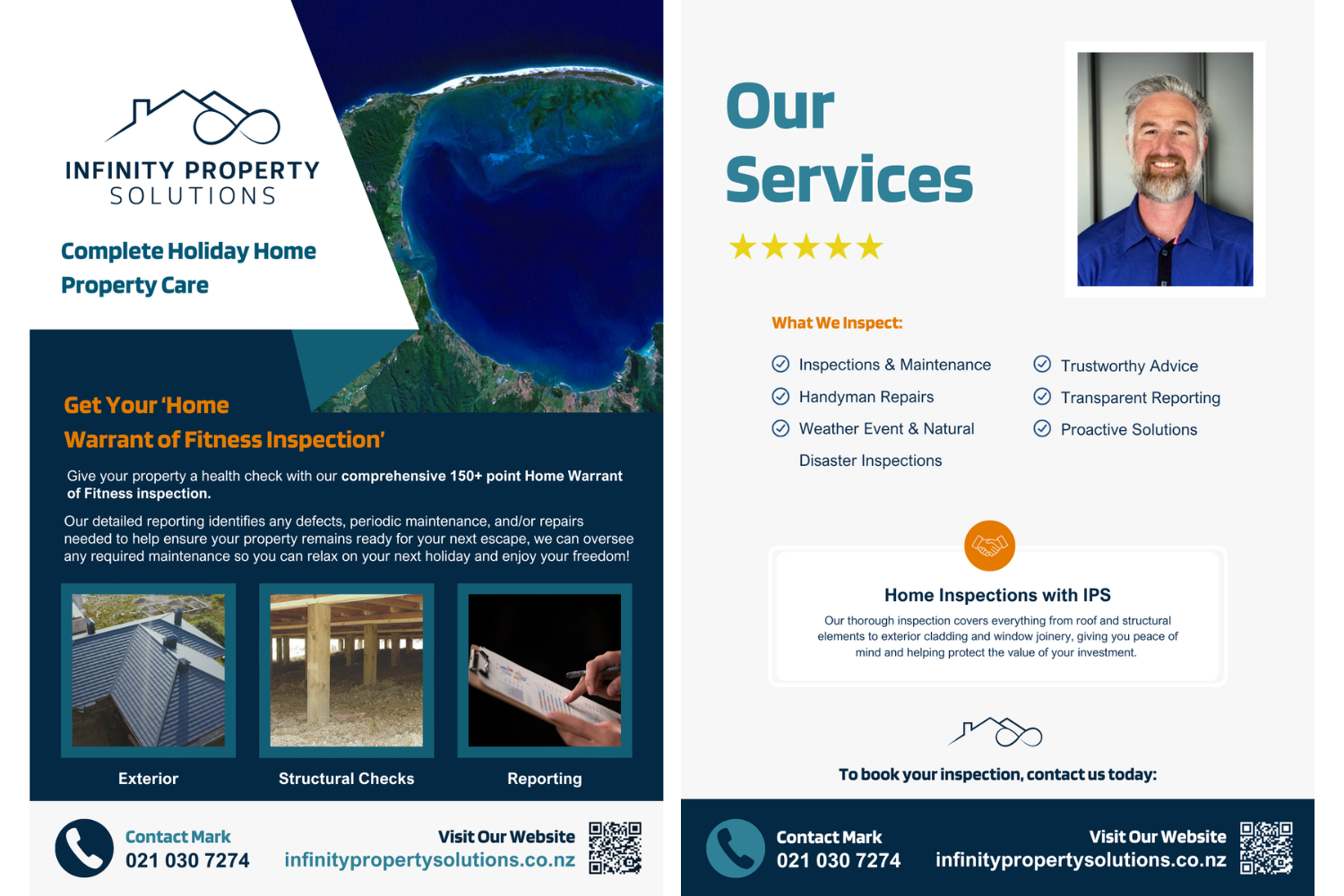
Yes, print still works well, especially for local events, local services (like the brochure above) and packaging. People appreciate something physical, and it complements digital nicely.
Is digital design cheaper than print in New Zealand?
Digital starts cheaper, but costs can grow with ongoing campaigns. Print costs are mostly upfront and fixed.
Can a brand use both print and digital assets?
Definitely. Print builds trust offline, while digital connects you quickly online. Together, they give your brand more reach and flexibility.
Conclusion
Your audience is diverse. Your marketing should go all around the place, too.
For Kiwi businesses, a clever mix of print’s charm and digital’s reach usually hits the sweet spot.
Want a plan that feels right for you? Give your local design whiz a shout and start cooking up something great.